P-LSD Blotters Explained: Chemistry, Research, and Public-Health Education
What Are P-LSD Blotters?
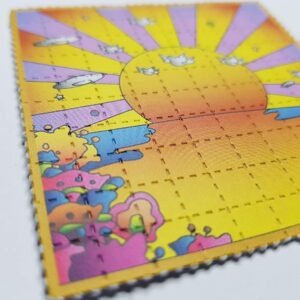
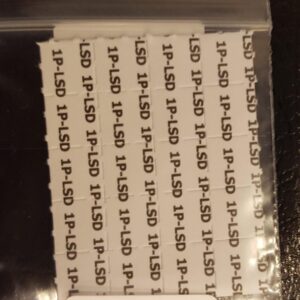
P-LSD Blotters are a form of lysergic acid diethylamide (LSD) analogs, typically distributed on small pieces of absorbent paper, known as blotters. These compounds are research chemicals, meaning they are studied under controlled laboratory conditions rather than approved for recreational or medical use.
This article provides a neutral educational overview of P-LSD, covering its chemistry, research significance, cultural context, and public-health considerations. It does not promote consumption or distribution.
Chemical Structure and Pharmacology
P-LSD is structurally similar to classic LSD but with small modifications in its molecular structure. These changes can alter:P-LSD Blotters
-
Potency
-
Duration of effects (in research contexts)
-
Interaction with serotonin receptors in the brain
Like LSD, P-LSD acts primarily on serotonin 5-HT2A receptors, which play a key role in perception, cognition, and mood regulation. Its effects in humans are largely untested outside controlled research, and long-term safety data is limited.P-LSD Blotters
Research Context
P-LSD is of interest to researchers studying:P-LSD Blotters
-
Neuroscience and cognition: How serotonin modulation affects perception and decision-making
-
Pharmacology: Understanding structure-activity relationships among psychedelic compounds
-
Behavioral studies: Exploring microdosing, neural plasticity, and receptor binding
All studies involving P-LSD are conducted in strictly controlled lab environments, often with ethical review boards overseeing research protocols. Recreational or unsupervised use is not part of these studies.
Cultural and Historical Background
LSD analogs, including P-LSD, emerged from decades of psychedelic research. While LSD itself has a long history in both psychiatry and popular culture, P-LSD is largely confined to:
-
Research laboratories
-
Academic discussions on chemical analogs
-
Mycology and psychopharmacology forums for educational purposes
It is important to understand that colloquial names for these compounds do not indicate safety, potency, or legality.
Public-Health and Safety Considerations
Even in small research contexts, P-LSD presents potential risks:
-
Altered perception and cognition
-
Potential psychological distress if misused
-
Unknown long-term effects
From a public-health perspective, educational focus includes:
-
Informing the public about the research status of P-LSD
-
Highlighting the difference between controlled research and recreational use
-
Raising awareness of legal and safety concerns
Educationally, it is critical to emphasize that P-LSD is not approved for human consumption outside research contexts.
Legal Status
P-LSD, like other LSD analogs, is regulated or controlled in many countries. Legal frameworks generally classify it based on:
-
Chemical similarity to LSD
-
Research permissions and licensing
-
Restrictions on distribution, possession, and use
Possession or use outside controlled research is illegal in most jurisdictions. Individuals should consult official government sources for current regulations.
Key Takeaways
-
P-LSD Blotters are a research chemical analog of LSD, used primarily in laboratory studies.
-
They act on serotonin receptors and are of interest for neuroscience and pharmacology research.
-
Recreational or unsupervised use carries unknown risks and legal consequences.
-
Legal regulations vary but generally focus on controlled distribution and research-only applications.
-
Public-health and educational awareness are essential for safe, informed discussion.