McKennaii Cubensis Explained: Biology, Naming History, and Public-Health Education
What Is McKennaii Cubensis?
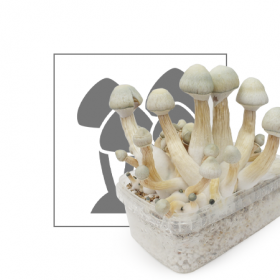
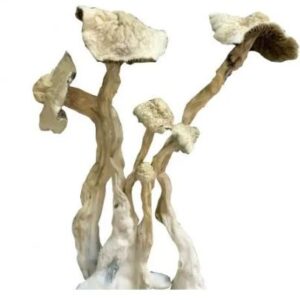
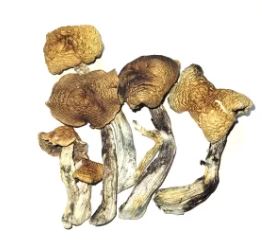
McKennaii Cubensis is a commonly used name associated with a variety of Psilocybe cubensis, a species of mushroom known in scientific literature for producing the naturally occurring compounds psilocybin and psilocin. The term “McKennaii” is not a formal scientific classification but rather a cultivar or informal designation used in modern discussions. This article provides a neutral, educational overview intended to improve understanding of biology, research context, and public-health considerations. It does not promote use, possession, or distribution.
Psilocybe cubensis: The Scientific Species
Psilocybe cubensis belongs to the fungal kingdom, within the genus Psilocybe. It is one of the most widely studied psilocybin-producing mushroom species due to its distribution and presence in academic research.
From a biological perspective, P. cubensis plays a role in ecosystem nutrient cycling, particularly in decomposing organic matter. Mycologists study the species for its growth patterns, ecological role, and chemical properties, separate from any cultural or informal naming conventions.
Origin of the Name “McKennaii”
The name “McKennaii” is widely believed to be a tribute-style reference associated with popular culture discussions of psychedelics, rather than a taxonomic term. It is not recognized by formal biological naming systems such as binomial nomenclature.
Educational sources emphasize that names like McKennaii:
-
Do not indicate biological differences
-
Are not standardized
-
Vary across regions and communities
As a result, scientific discussions rely on the species name Psilocybe cubensis rather than informal labels.
Key Chemical Compounds (High-Level Overview)
Psilocybe cubensis contains psilocybin, which is converted in the body to psilocin. Psilocin interacts primarily with serotonin (5-HT) receptors, which are involved in mood regulation, perception, and cognition.
Researchers stress that:
-
Brain responses vary significantly between individuals
-
Effects depend on many psychological and environmental factors
-
Scientific findings come from controlled research settings
This complexity is why public-health education focuses on caution and accurate information.
Research and Academic Interest
Psilocybin has been studied in neuroscience, psychology, and psychiatry under highly regulated conditions. Researchers investigate topics such as:
-
Neural connectivity
-
Emotional processing
-
Cognitive flexibility
All legitimate studies operate under strict ethical guidelines, including regulatory approval, professional supervision, and participant screening. Findings from these studies are not endorsements of non-medical or informal use.Mckennaii Cubensi
Public-Health and Risk Awareness
Public-health organizations approach psilocybin-containing mushrooms through the lens of education, prevention, and harm awareness. Key themes include:Mckennaii Cubensi
-
Psychological unpredictability
-
Mental-health vulnerability considerations
-
Misinformation related to strain names or branding
Educational efforts aim to reduce myths, particularly the belief that certain names imply predictability or safety.
Legal Status and Regulatory Context
In many parts of the world, psilocybin is classified as a controlled or prohibited substance. Laws typically regulate the active chemical compounds, not the mushroom’s informal or cultivar name. Whether referred to as McKennaii Cubensis or otherwise, legal treatment generally remains the same.
Because laws differ by jurisdiction and change over time, individuals should consult official government or regulatory sources for accurate legal information. This article does not provide legal advice.
Importance of Accurate Terminology
Using precise language is essential for responsible education. Informal labels can obscure:
-
Scientific understanding
-
Legal realities
-
Public-health guidance
Educational resources encourage reliance on peer-reviewed research, biological classification, and official health information rather than anecdotal or marketing-driven terminology.
Frequently Asked Questions (FAQ)
Is McKennaii Cubensis a separate species?
No. It is an informal name associated with Psilocybe cubensis, not a distinct species.
Does the name indicate potency or effects?
No. Informal names do not reliably indicate chemical composition or predictability.
Is psilocybin medically approved?
Psilocybin is not approved for general medical use.
Is this article encouraging use?
No. This content is strictly educational and informational.
Educational Disclaimer
This article is provided for general educational and public-health awareness purposes only. It does not promote, sell, or encourage the use, possession, or distribution of psilocybin mushrooms or any controlled substances. Always follow local laws and consult qualified professionals for guidance.