Garcia Magic Mushrooms Explained: Biology, Cultural Context, and Public-Health Education
What Are “Garcia Magic Mushrooms”?
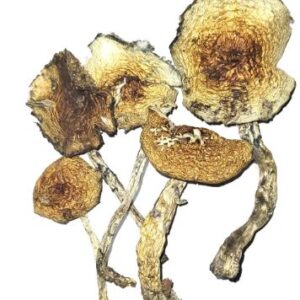
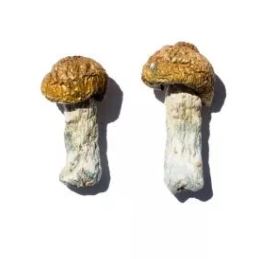
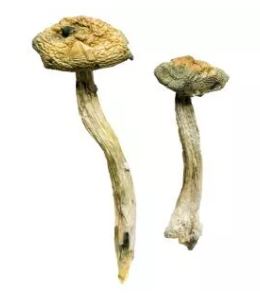
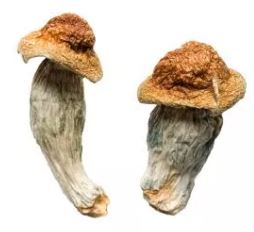
The term Garcia Magic Mushrooms is a colloquial or branding-style name often used in informal discussions to describe psilocybin-containing mushrooms. It does not refer to a recognized scientific species or a standardized biological classification. In educational and scientific contexts, these mushrooms are more accurately discussed under the broader category of psilocybin-producing fungi. This article provides a neutral, informational overview intended to support accurate understanding and public-health education. It does not promote use, possession, or distribution.
Psilocybin Mushrooms: A Biological Overview
Psilocybin mushrooms are part of the fungal kingdom, a diverse group of organisms distinct from plants and animals. Certain mushroom species naturally produce psilocybin and psilocin, compounds that have been studied for their effects on the human brain.
From a biological standpoint, these mushrooms grow in specific ecological conditions and play roles in nutrient recycling and ecosystem balance. Scientists study them not only for their chemical properties but also for their place in mycology, the scientific study of fungi.Garcia Magic Mushrooms
It is important to note that informal names such as “Garcia” do not describe biological traits, potency, or safety.
Chemical Compounds and Brain Interaction (High-Level)
Psilocybin is a naturally occurring compound that is converted in the body to psilocin, which interacts primarily with serotonin receptors in the brain. Serotonin is involved in mood, perception, learning, and emotional processing.
Researchers emphasize that altering serotonin signaling can have complex and unpredictable effects, which vary widely between individuals. Scientific discussions focus on understanding these interactions under controlled research conditions, not informal or unregulated exposure.Garcia Magic Mushrooms
Research and Academic Interest
In recent decades, psilocybin has attracted interest within neuroscience, psychology, and psychiatry research. Studies explore how it affects perception, emotional processing, and neural connectivity. These investigations are conducted under strict ethical guidelines, including professional supervision, participant screening, and regulatory approval.
It is critical to distinguish between regulated scientific research and non-medical contexts. Findings from academic studies are not endorsements of general use and cannot be directly applied outside carefully controlled environments.
Cultural and Historical Context
Psilocybin-containing mushrooms have been referenced in various historical and anthropological studies, particularly in discussions of traditional practices and cultural symbolism. Scholars approach these topics with caution, emphasizing respect for cultural context and avoiding romanticization.
Modern names such as “Garcia Magic Mushrooms” are not historically established terms and should be understood as part of contemporary informal language rather than traditional classification.
Public-Health and Safety Education
From a public-health perspective, education about psilocybin mushrooms focuses on risk awareness, prevention, and accurate information. Health authorities highlight several key points:
-
Effects can vary widely between individuals
-
Psychological responses may be unpredictable
-
Mental-health history can influence outcomes
-
Unregulated environments increase uncertainty
Public-health messaging aims to reduce misinformation and encourage informed, lawful decision-making rather than fear-based or promotional narratives.
Legal Status and Regulation
The legal status of psilocybin mushrooms varies widely across the world. In many regions, psilocybin is classified as a controlled or prohibited substance, regardless of the mushroom’s informal name or branding. Laws typically regulate the active compounds, not the marketing terms used in casual conversation.
Because legislation differs by jurisdiction and can change over time, individuals should consult official government or regulatory sources for current and accurate legal information. This article does not provide legal advice.
The Importance of Accurate Terminology
Using precise, science-based language helps prevent misunderstanding. Informal names like “Garcia Magic Mushrooms” can obscure important distinctions related to biology, law, and health. Educational resources encourage readers to rely on:
-
Scientific terminology
-
Peer-reviewed research
-
Public-health guidance
Accurate terminology supports responsible discussion and reduces the spread of myths.
Frequently Asked Questions (FAQ)
Is “Garcia Magic Mushrooms” a scientific species?
No. It is an informal name, not a recognized biological classification.
Do all magic mushrooms contain the same compounds?
Different species can vary in chemical composition, which is why scientific identification matters.
Are psilocybin mushrooms approved medical treatments?
They are not approved for general medical use.
Is this article encouraging use?
No. This content is strictly educational and informational.
Educational Disclaimer
This article is provided for general educational and public-health awareness purposes only. It does not promote, sell, or encourage the use, possession, or distribution of psilocybin mushrooms or any controlled substances. Always follow local laws and seek guidance from qualified professionals.