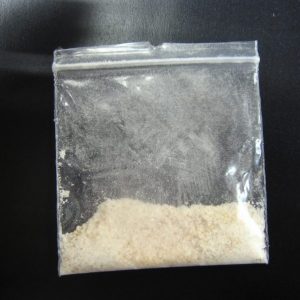
MDMA Ecstasy Powder Explained: Background, Research, and Public-Health Awareness
What Is MDMA Ecstasy Powder?
MDMA Ecstasy Powder, short for 3,4-methylenedioxymethamphetamine, is a synthetic psychoactive compound that has been discussed in scientific, medical, and public-health literature for several decades. It is commonly known by the names MDMA or ecstasy. This article provides a general educational overview of MDMA, focusing on its chemical background, research interest, and legal and health considerations. It does not promote use, possession, or distribution.
Chemical Classification and History MDMA Ecstasy Powder
From a chemical perspective, MDMA Ecstasy Powder belongs to the phenethylamine and amphetamine families. Its structure shares similarities with both stimulants and compounds that affect mood and perception. MDMA was first synthesized in the early 20th century, but it did not receive widespread attention until much later, when researchers and clinicians began exploring its psychoactive properties.
Over time, MDMA became the subject of increased scrutiny from scientists, health authorities, and regulators due to its effects on the brain and its appearance in non-medical settings. This led to a growing body of research examining both its short-term effects and potential long-term risks.MDMA Ecstasy Powder
How MDMA Interacts With the Brain MDMA Ecstasy Powder
Research indicates that MDMA primarily affects neurotransmitter systems, especially serotonin, dopamine, and norepinephrine. Serotonin plays a key role in mood regulation, emotional processing, and social behavior, which helps explain why MDMA is often discussed in studies related to empathy and emotional response.
Scientists emphasize that altering neurotransmitter activity can have complex and unpredictable effects. The brain’s chemistry varies between individuals, and repeated or uncontrolled exposure may disrupt normal neurochemical balance. Much of what is known comes from laboratory studies, clinical observation, and public-health data rather than approved therapeutic use.
Research Interest and Scientific Study
MDMA has been studied in a variety of scientific contexts, including neuroscience, psychology, and psychiatry. Some controlled research settings have examined its effects on emotional processing and social behavior under strict ethical and regulatory oversight.
It is important to distinguish regulated scientific research from unregulated use. Legitimate studies are conducted with medical screening, informed consent, and professional supervision. Researchers consistently stress that findings from controlled environments should not be generalized beyond those settings.
Public-Health Perspective
From a public-health standpoint, MDMA is most often discussed in relation to risk awareness, education, and prevention. Health agencies analyze patterns of exposure, reported adverse events, and long-term trends to better understand how substances affect populations.
Public-health literature highlights several key concerns:
-
Individual responses can vary widely
-
Psychological and physical risks may increase in uncontrolled settings
-
Misinformation can contribute to unsafe behavior
Educational content aims to provide accurate information so individuals can understand potential risks and legal consequences.
Legal Status and Regulation
The legal status of MDMA varies across countries and regions, but in many parts of the world it is classified as a controlled or prohibited substance. Laws governing MDMA are shaped by international conventions as well as national regulations.
Because legal frameworks differ and can change over time, readers are encouraged to consult official government or regulatory sources for up-to-date information. This article does not provide legal advice or interpret specific laws.