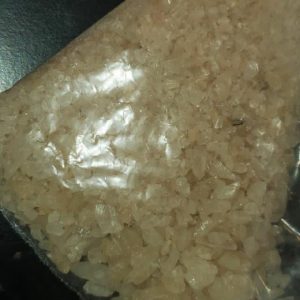
Buy Methylone Explained: Background, Research Context, and Legal Awareness
What Is Methylone?
Buy Methylone, chemically known as 3,4-methylenedioxymethcathinone (MDMC), is a synthetic compound that has appeared in scientific, public-health, and regulatory discussions over the past two decades. It belongs to the synthetic cathinone class, a group of substances structurally related to cathinone, a naturally occurring stimulant found in the khat plant.
This article is provided for educational and informational purposes only. It does not promote the use, possession, or distribution of methylone or any controlled substance.
Chemical Classification and Origins Buy Methylone
From a chemical standpoint, methylone is often discussed as a beta-keto analogue of certain phenethylamines. Researchers categorize it within synthetic cathinones due to its molecular structure and stimulant-like properties observed in laboratory studies.Buy Methylone
Methylone first appeared in academic literature and forensic reports in the early 2000s, largely as part of broader research into emerging psychoactive substances. Its presence prompted scientific interest in how small chemical modifications can significantly alter pharmacological effects and risks.
Research Interest and Scientific Study
Scientific interest in methylone has focused on its interaction with monoamine neurotransmitter systems, including serotonin, dopamine, and norepinephrine pathways. These systems play key roles in mood regulation, alertness, and cognitive processing.
Most discussions of methylone in scientific contexts occur within:
-
Neuropharmacology research
-
Toxicology and forensic science
-
Public-health surveillance of emerging substances
Importantly, much of the available knowledge comes from preclinical studies, laboratory analysis, and observational data, rather than approved medical use. Researchers emphasize that findings from controlled environments do not equate to safety in real-world settings.
Relationship to Other Synthetic Cathinones
Educational resources often mention methylone alongside other synthetic cathinones to explain how substances within the same class can differ substantially in potency, duration, and risk profile. While structural similarities exist, each compound has unique characteristics that influence how it interacts with the human body.
This comparative approach helps scientists and educators explain why substances should not be grouped together simplistically and why regulation often addresses entire classes of compounds rather than single molecules.
Public Health Perspective
From a public-health standpoint, methylone has been discussed primarily in relation to risk awareness and harm prevention. Health authorities and researchers analyze patterns of exposure, reported adverse effects, and trends in substance emergence to inform policy and education.
Public-health literature stresses that:
-
Effects can vary widely between individuals
-
Purity and composition are unpredictable in unregulated contexts
-
Psychological and physical risks may increase when substances are misunderstood
Educational content plays an important role in reducing misinformation and supporting evidence-based awareness.
Legal Status and Global Regulation
The legal status of methylone varies by country and region, but in many parts of the world it is classified as a controlled or prohibited substance. In some jurisdictions, it is specifically listed by name, while in others it is covered under broader analogue or synthetic cathinone legislation.
Because laws change and enforcement differs globally, individuals should consult official government or regulatory sources for accurate and current information. This article does not provide legal advice and does not interpret local statutes.
Ethics, Research Controls, and Education
Modern scientific and medical research involving psychoactive compounds is governed by strict ethical standards and regulatory oversight. Institutional review boards, licensing requirements, and safety protocols exist to protect participants and ensure responsible study design.
Educational articles about methylone focus on:
-
Explaining why research controls are necessary
-
Highlighting the difference between academic study and non-regulated exposure
-
Encouraging respect for laws and public-health guidance
Responsible education emphasizes understanding rather than experimentation.
Common Questions in Educational Contexts (FAQ)
What type of substance is methylone?
Methylone is classified as a synthetic cathinone and is discussed in scientific and public-health literature.
Is methylone used in medicine?
No. Methylone is not an approved medication and has no recognized medical use.
Why is methylone studied by researchers?
Researchers study it to understand neurochemistry, emerging substance trends, and public-health impacts.
Is this article promoting methylone?
No. This content is strictly educational and informational.
Importance of Accurate Information
Accurate, neutral information about substances like methylone helps support:Buy Methylone
-
Informed public discussion
-
Evidence-based policy decisions
-
Reduced spread of misinformation
Educational resources are most effective when they clearly separate scientific knowledge from promotion or advocacy.Buy Methylone
Educational Disclaimer
This content is provided for general educational and informational purposes only. It does not promote, sell, or encourage the use, possession, or distribution of methylone or any controlled substance. Always follow applicable laws and consult qualified professionals for legal or medical guidance.Buy Methylone