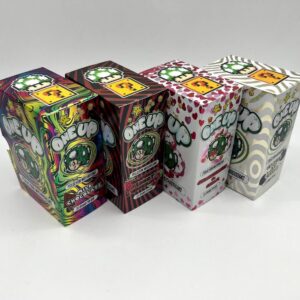
THC Chocolate Crispy Rice Treats Explained: Education, Science, and Public-Health Awareness
What Are THC Chocolate Crispy Rice Treats?
THC chocolate crispy rice treats are a type of edible product that combines chocolate, puffed rice cereal, and tetrahydrocannabinol (THC), the primary psychoactive compound found in cannabis. In public discussions, these products are often mentioned as examples of infused foods, sometimes called “edibles.”
From an educational perspective, THC chocolate crispy rice treats are best understood as a case study in how psychoactive compounds interact with food matrices, digestion, and human physiology. This article focuses on scientific context, public-health considerations, and legal awareness, not use or preparation.
Understanding THC in a Scientific Context
THC (tetrahydrocannabinol) is a compound that interacts with the body’s endocannabinoid system, particularly CB1 receptors in the brain. These receptors influence:
-
Perception
-
Mood
-
Memory
-
Coordination
When THC is consumed in edible form, it is processed differently than when inhaled. The digestive system and liver play a major role in how the compound is metabolized, which changes both the timing and intensity of its effects.
How Edible THC Differs From Other Forms (High-Level)
From a physiological standpoint, edible THC products—including chocolate crispy rice treats—are distinct because:
-
THC is absorbed through digestion rather than the lungs
-
The liver converts THC into 11-hydroxy-THC, a metabolite that can have stronger or longer-lasting effects
-
Effects are delayed compared to inhalation
This delayed onset is a major focus of public-health education, as it can lead to misunderstanding and unintended overexposure.
Why Food Form Matters
Chocolate and cereal-based treats are often discussed in education because they demonstrate how fat content, sugars, and digestion influence THC absorption. Researchers and health educators examine:
-
How fats affect compound absorption
-
How food texture and composition alter digestion time
-
Why edibles can feel less predictable than other delivery methods
These factors help explain why edible products require special regulatory attention and clear public education.
Public-Health Considerations
1. Delayed Effects and Misinterpretation
One of the most common public-health risks associated with THC edibles is misjudging onset time. Because effects are delayed, individuals may assume nothing is happening and later experience stronger-than-expected effects.
Public-health messaging emphasizes that delayed does not mean inactive.
2. Appeal to Children and Adolescents
Chocolate and cereal treats resemble ordinary snacks, which raises concerns about accidental ingestion, especially by children or teenagers. Public-health authorities stress:
-
Clear labeling
-
Secure storage
-
Education about appearance-based risks
These concerns are a major reason why edible regulation is stricter in many regions.THC Chocolate Crispy Rice Treats
3. Individual Sensitivity
Responses to THC vary widely depending on:
-
Age
-
Body chemistry
-
Mental health history
-
Prior exposure
Even small amounts can produce strong reactions in some individuals, making predictability a challenge from a health perspective.
Psychological and Cognitive Considerations
Educational literature highlights potential short-term effects associated with THC exposure, including:
-
Altered perception
-
Changes in attention or memory
-
Anxiety or confusion in sensitive individuals
For adolescents and young people, public-health guidance is especially cautious because the brain is still developing.THC Chocolate Crispy Rice Treats