CBD Chocolate Bars Explained: Science, Nutrition, and Public-Health Awareness
What Are CBD Chocolate Bars?
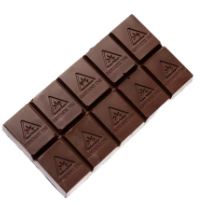
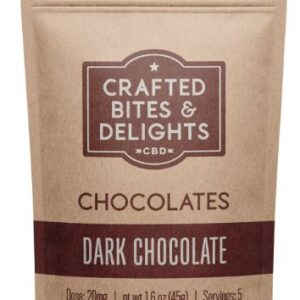
CBD Chocolate Bar are chocolate products that include CBD (cannabidiol), a chemical compound found in cannabis plants. Unlike THC, CBD is non-psychoactive, meaning it does not produce the “high” typically associated with cannabis.
CBD chocolate bars are often discussed in the context of food science, functional ingredients, and wellness culture, but it’s important to understand them from a neutral, educational perspective.
Understanding CBD
Cannabidiol (CBD) is one of many compounds found in the cannabis plant. In research:
-
CBD interacts with the endocannabinoid system, which helps regulate physiological processes like sleep, stress response, and immune system signaling.
-
Unlike THC, CBD does not cause intoxication.
-
Scientists are exploring its effects in controlled clinical studies, primarily in relation to anxiety, inflammation, and neurological disorders.
Importantly, research is still emerging, and effects can vary depending on dose, delivery method, and individual biology.
How CBD Chocolate Bars Are Made
CBD chocolate bars combine chocolate with CBD extract. The chocolate itself may be dark, milk, or white, while the CBD is often derived from:
-
Hemp plants (legally cultivated in many regions)
-
Cannabis plants (in jurisdictions where permitted)
Manufacturers must carefully blend the CBD extract into the chocolate to ensure uniform distribution and consistency. Chocolate acts as a carrier fat, which can influence absorption.
Nutritional Components of CBD Chocolate Bars
CBD chocolate bars contain both chocolate nutrients and the added CBD compound:
Chocolate Components
-
Fats: Cocoa butter and milk fats
-
Sugars: Added sweeteners contribute to carbohydrate content
-
Protein: From milk solids or nuts if included
-
Minerals: Trace amounts of magnesium, iron, and calcium depending on ingredients
CBD Component
-
Typically present in milligram quantities per serving
-
Acts as an additive, not a macronutrient
-
The chocolate serves primarily as a delivery medium
From a public-health perspective, chocolate bars with CBD should be approached like other calorie-dense confections in terms of nutrition.
Public-Health Considerations
CBD chocolate bars raise several educational points for public awareness:
1. Label Accuracy
Not all products contain the amount of CBD listed on the label. Studies have found variation between products, so consumers should be aware of label reliability.
2. Interaction with Other Substances
CBD can interact with certain medications or supplements. Health professionals study these interactions to understand safety profiles.
3. Age and Sensitivity
While CBD is non-intoxicating, children, adolescents, and sensitive adults should approach such products with caution due to limited research on long-term effects.
4. Portion Awareness
Chocolate contains sugar and fat; adding CBD does not change its caloric density. Public-health guidance encourages moderation.
Legal and Regulatory Context
The legal status of CBD chocolate bars varies:
-
Hemp-derived CBD with minimal THC is legal in many regions
-
Cannabis-derived CBD may be restricted in certain countries or states
-
Regulations often govern THC content, labeling, and marketing
Even though CBD is non-psychoactive, it is regulated as a controlled ingredient in many jurisdictions, so legal awareness is essential.
Cultural and Scientific Context
CBD chocolate bars reflect wider trends:
-
Growth of functional foods
-
Consumer interest in wellness and natural compounds
-
Online discussion sometimes blurs anecdotal claims and scientific evidence
Educational content emphasizes research-based understanding, separating claims from verified outcomes.