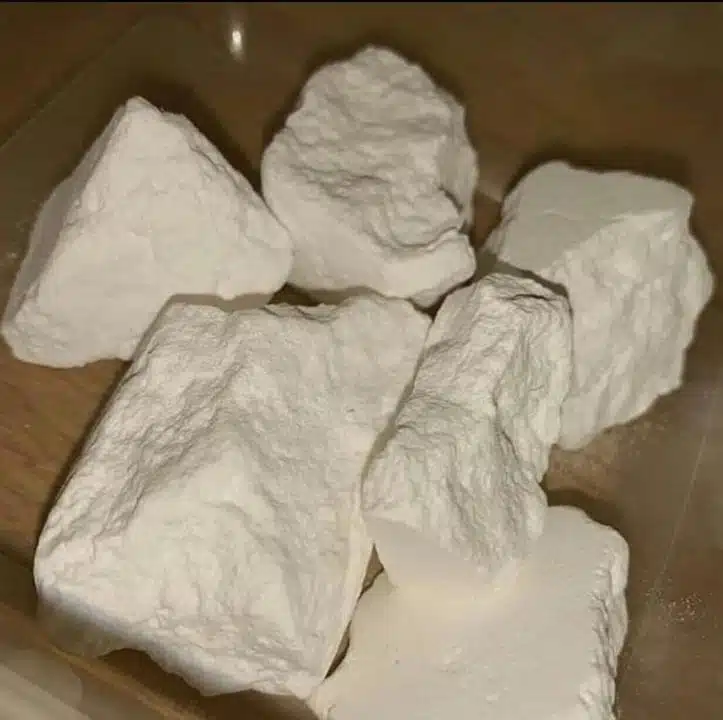
7 Critical Facts About Cocaine in Ireland – Serious Legal & Health Risks Explained
Cocaine In Ireland is a highly recognised stimulant drug worldwide and is considered illegal in Ireland. While it appears frequently in media and pop culture, understanding cocaine in Ireland requires knowledge of legal consequences, health risks, and public health awareness. This article provides seven critical facts about cocaine in Ireland, purely for educational purposes.
1. Cocaine In Ireland Is a Controlled Substance
In Ireland, cocaine is classified as a Schedule 1 controlled drug under the Misuse of Drugs Acts 1977–2016. This is the strictest classification for illegal substances. Possession, supply, or trafficking of cocaine is a serious criminal offence, with potential consequences including:
-
Possession: Up to 7 years in prison, fines, or both
-
Supply/Trafficking: Life imprisonment or heavy fines
Understanding its legal status is vital for public awareness and prevention.
2. Cocaine Has No Legal Recreational Use
Unlike some drugs that are legal for medical or research purposes in restricted settings, cocaine has no approved legal recreational or medicinal use in Ireland. Licensed scientific studies involving cocaine require government approval and strict regulatory oversight, making all other use illegal.Cocaine In Ireland
3. Slang Terms Like “8 Ball” Can Be Confusing
The term “8 ball” is commonly referenced in drug culture and refers to one-eighth of an ounce, approximately 3.5 grams. While it may appear in conversation or media, this term is purely colloquial and associated with illegal markets. Educational awareness helps people understand the terminology without encouraging illegal activity.
4. Cocaine Is a Powerful Stimulant
Cocaine is a central nervous system stimulant. Stimulants temporarily increase alertness, energy, and neurotransmitter activity in the brain. These effects are short-lived, unpredictable, and potentially dangerous, especially given that illegal substances can be contaminated or of unknown strength.
Even minimal exposure can put the heart, nervous system, and mental health at risk, and repeated use can cause long-term complications.
5. Health Risks Associated with Cocaine
The risks of cocaine are both immediate and long-term. Short-term effects can include:
-
Rapid heartbeat and high blood pressure
-
Anxiety, restlessness, or agitation
-
Mood changes and difficulty concentrating
Long-term risks may include:
-
Addiction and dependency
-
Severe mental health disorders such as paranoia or depression
-
Cardiovascular problems and neurological damage
-
Impaired cognitive and emotional functioning
Due to the unregulated nature of illegal drugs, the severity of health risks can be unpredictable.Cocaine In Ireland
6. Awareness and Education Are Key
Ireland’s public health authorities focus on prevention, education, and harm reduction. Learning about cocaine’s effects, slang, and legal consequences is essential for:
-
Reducing initiation among young people
-
Understanding legal risks and social consequences
-
Highlighting physical and mental health dangers
Reliable sources include HSE (Health Service Executive) drug awareness programmes, academic research, and local charities focused on substance education.
7. Support Services Are Available
For those concerned about cocaine or other substance use, Ireland offers confidential and accessible support:
-
Drug and Alcohol Information and Support Services (DAIS) – guidance and education
-
HSE addiction services – counselling, treatment, and recovery programmes
-
Community education initiatives – public health campaigns in schools and local areas
Accessing support is encouraged and does not carry legal consequences when seeking information or help.
Key Takeaways
-
Cocaine is illegal in Ireland and classified as a Schedule 1 controlled drug
-
Possession, supply, or production can result in severe legal penalties
-
Terms like “8 ball” are slang and associated with criminal activity
-
Cocaine is a stimulant with unpredictable health risks
-
Public-health awareness and education are crucial for prevention
-
Confidential support services are available for those with concerns
This information is intended to provide clarity for educational, awareness, and public health purposes only, helping readers understand the legal and health risks without promoting use.




Reviews
There are no reviews yet.