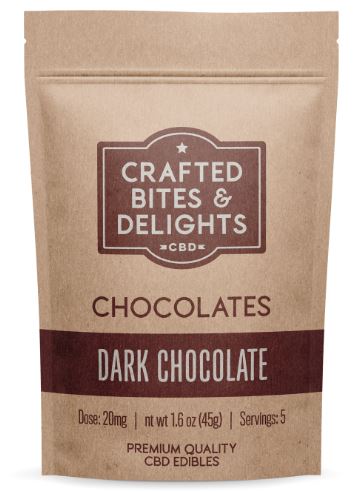
Crafted Bites Delights Dark Chocolate: Nutrition, Science, and Awareness
What Is Dark Chocolate?
Dark chocolate refers to a type of chocolate that has a higher proportion of cocoa solids and cocoa butter and typically less added sugar than milk chocolate. It’s part of a broader category of cocoa-based foods enjoyed around the world for their rich flavor and cultural significance.
When people use product-style names like Crafted Bites Delights Dark Chocolate, they’re identifying a particular brand or style within this category. For educational purposes, it’s helpful to understand what dark chocolate is, how it’s made, and what science says about its nutritional aspects.
How Dark Chocolate Is Made
Dark chocolate starts with the beans of the cacao tree (Theobroma cacao), which are harvested, fermented, dried, roasted, and processed into:
-
Cocoa solids — contribute flavor and color
-
Cocoa butter — the natural fat from cacao
-
Chocolate liquor — ground cocoa solids plus cocoa butter
These components are blended with varying amounts of sugar and sometimes additional ingredients like vanilla or lecithin. Dark chocolate is defined by having no milk solids and a relatively high cocoa percentage — often 50% or more.
Nutritional Components of Dark Chocolate (High-Level)
Dark chocolate contains several nutritional elements worth noting:
1. Cocoa Flavanols
Cocoa beans are rich in flavanols, plant compounds that are associated with antioxidant activity. Antioxidants help the body neutralize certain free radicals, molecules produced naturally during metabolism or introduced through environmental exposures.
2. Minerals
Dark chocolate can provide minerals such as:
-
Magnesium
-
Iron
-
Copper
-
Manganese
These nutrients are involved in functions such as energy metabolism and oxygen transport.
3. Fats
Cocoa butter is predominantly composed of monounsaturated and saturated fats. While fats are energy-dense, not all fats affect health in the same way, and the context of overall diet matters.
4. Sugar and Calories
Dark chocolate typically has less added sugar than milk chocolate, but it still contains calories from sugar and fat. This means portion awareness is important in any balanced eating pattern.
What Research Says (Without Making Health Claims)
Scientific research often examines dark chocolate in terms of its nutrient content and bioactive compounds, especially flavanols. Areas of interest include:
-
Cardiovascular markers: Some studies suggest that cocoa flavanols may have short-term effects on blood vessel function and circulation. These effects tend to be small and context dependent.
-
Satiety and sensory experience: Dark chocolate’s intense flavor can influence how people perceive sweetness and fullness.
-
Antioxidant activity in vitro: Cocoa compounds can act as antioxidants in laboratory settings, but this does not directly translate into specific health outcomes in humans.
It’s important to emphasize that research does not support definitive health claims about cocoa products — scientists study associations, possible mechanisms, and context-specific effects under controlled conditions.