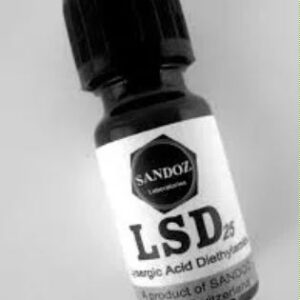
D Blotter Paper Explained: Research, Chemistry, and Public-Health Education
What Is D Blotter Paper?
D Blotter Paper refers to small sheets of absorbent paper historically used to deliver psychedelic research chemicals, most commonly LSD or related analogs, in microdoses. These blotters are typically studied in laboratory, academic, or research settings to investigate chemical properties, neuropharmacology, and behavioral effects.
This article provides a neutral, educational overview, emphasizing scientific research, chemical understanding, cultural context, and public-health considerations. It does not encourage recreational use, possession, or distribution.
How Blotter Paper Is Used in Research
Blotter paper is a practical medium for distributing precise, controlled doses of chemicals in research settings. Key points include:
-
Absorbent material: Paper absorbs a specific volume of liquid chemical for study
-
Dose consistency: Used to maintain consistent concentrations in experimental setups
-
Laboratory handling: Managed under strict safety and ethical protocols
In educational and research contexts, blotter paper is valued for its convenience, reproducibility, and ease of handling. It is not intended for unsupervised or recreational consumption.
Chemistry and Pharmacology
D Blotter Paper is most commonly associated with LSD or its analogs, which act on serotonin receptors in the brain. Key educational points include:
-
Mechanism of action: Interacts primarily with 5-HT2A receptors
-
Research focus: Helps scientists study perception, cognition, and neural connectivity
-
Structural analogs: Modified LSD compounds may be used to explore receptor activity in neuroscience studies
These studies are strictly controlled and focus on understanding chemical behavior and biological effects, not promoting use.
Cultural and Historical Context
Blotter paper has a long-standing presence in the history of psychedelics:
-
Scientific research: LSD was first widely studied in the mid-20th century for psychiatry and neuroscience
-
Microdosing studies: Modern research examines low-dose administration for cognitive and behavioral insights
-
Cultural awareness: References to blotter paper are prevalent in academic and mycology discussions but do not imply safety or legality
It is essential to distinguish cultural references from formal scientific study.
Public-Health Considerations
From a public-health perspective, D Blotter Paper education emphasizes:
-
Research-only context: These compounds are only legally and safely studied under professional supervision
-
Risk awareness: Effects on cognition, perception, and mood are unpredictable outside controlled settings
-
Legal awareness: LSD analogs are controlled substances in most countries, and possession outside research is illegal
Educational resources focus on evidence-based information and safe discussion, rather than practical use.
Legal Status
Blotter-delivered LSD and analogs, including compounds associated with D Blotter Paper, are classified as controlled substances in most jurisdictions. Legal frameworks often:
-
Regulate research use through permits or licenses
-
Prohibit possession, distribution, or recreational consumption
-
Apply penalties for unauthorized use
Individuals should consult official regulatory sources for accurate, current legal information.
Scientific Research and Significance
D Blotter Paper plays an important role in psychedelic research:
-
Neuroscience: Studying serotonin receptor activity and neural plasticity
-
Psychopharmacology: Understanding structure-activity relationships in chemical analogs
-
Behavioral science: Observing microdose effects in controlled, ethical studies
Research is conducted in strict laboratory environments, with ethical oversight and professional supervision. Educational discussions should clarify that unsupervised use is unsafe and illegal.
Key Takeaways
-
D Blotter Paper is a research tool for delivering LSD or its analogs in controlled experimental settings.
-
It is primarily used for scientific and educational research, not recreational use.
-
Chemical studies focus on serotonin receptor activity, cognition, and neural connectivity.
-
Recreational or unsupervised use carries significant health and legal risks.
-
Public-health education is crucial to provide safe, evidence-based guidance and reduce misinformation.
Educational Disclaimer
This article is provided for educational and public-health awareness purposes only. It does not promote, sell, or encourage the use, possession, or distribution of D Blotter Paper, LSD, or any controlled substances. Always follow local laws and consult qualified professionals for guidance.