Golden Teacher Mushrooms Explained: Biology, Cultural Context, and Public-Health Education
What Are Golden Teacher Mushrooms?
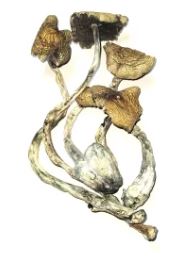
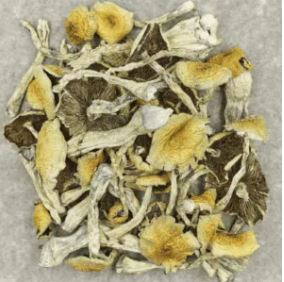
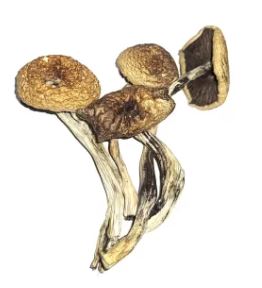
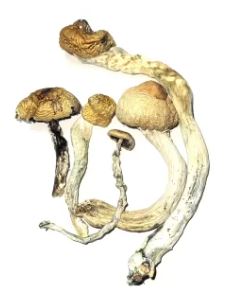
Golden Teacher Mushrooms is a widely recognized informal name for a strain of Psilocybe cubensis, a species of mushroom known to naturally produce psilocybin and psilocin. The name “Golden Teacher” refers to the distinctive golden-colored caps and the reputation for producing visually striking experiences in popular culture.
This article provides a neutral, educational overview focused on fungal biology, scientific research, cultural relevance, and public-health considerations. It does not promote use, possession, or distribution.
Psilocybe cubensis: Biological Overview
Psilocybe cubensis belongs to the fungal kingdom, one of the most ecologically significant groups of organisms. These mushrooms are saprotrophic, meaning they decompose organic matter, playing a critical role in nutrient recycling and soil health.
Researchers study P. cubensis for its growth patterns, ecological importance, and chemical composition, separate from informal strain names like Golden Teacher. In science, strain names do not indicate species classification, chemical potency, or safety.
Origin of the Name “Golden Teacher”
The name “Golden Teacher” is believed to have originated from mycological enthusiasts and popular culture references. The term is used to describe the visual appearance—not a formal taxonomic distinction.
Educational sources stress that colloquial strain names:
-
Do not indicate a distinct species
-
Are not standardized
-
Do not reliably indicate chemical composition
As a result, accurate discussion relies on the scientific name Psilocybe cubensis rather than informal branding.
Key Chemical Compounds (High-Level)
Golden Teacher Mushrooms, like other Psilocybe cubensis strains, contain psilocybin, which converts in the body to psilocin. Psilocin primarily interacts with serotonin receptors, influencing mood, perception, and cognition.
Researchers emphasize that responses vary widely among individuals due to:
-
Unique brain chemistry
-
Environmental context
-
Mental-health status
Controlled laboratory studies are required to understand effects safely and reliably. Claims made outside of research contexts are considered anecdotal.
Cultural and Historical Significance
Golden Teacher Mushrooms have gained attention in both mycology communities and popular culture, often discussed alongside visual experiences or microdosing trends. While culturally interesting, these references do not indicate safety or scientific consistency.
Educationally, it is essential to differentiate between:
-
Scientific research
-
Cultural anecdotes
-
Wellness discussions
This distinction ensures accurate, evidence-based understanding.
Scientific and Research Interest
Psilocybin has been studied in neuroscience, psychology, and psychiatry under highly regulated conditions. Research areas include:
-
Emotional and social processing
-
Neural connectivity
-
Mood and perception studies
All legitimate studies operate with ethical oversight, professional supervision, and informed consent. Research findings should not be interpreted as recommendations for non-medical use.Golden Teacher Mushrooms
Public-Health and Safety Awareness
From a public-health perspective, Golden Teacher Mushrooms are discussed for risk awareness, harm reduction, and education rather than use. Key points include:
-
Individual responses are unpredictable
-
Psychological and mental-health factors are critical
-
Colloquial names do not indicate safety or dosage
Educational resources aim to reduce myths, clarify risks, and provide evidence-based information.
Legal Status and Regulatory Context
In many regions, psilocybin is a controlled or prohibited substance, regardless of strain name. Legal restrictions typically focus on the active compounds, not informal naming.
Because laws differ by country and can change, it is important to consult official government or regulatory sources. This article does not provide legal advice.Golden Teacher Mushrooms
Importance of Accurate Terminology
Using precise, science-based terminology is critical for responsible education. Colloquial names like Golden Teacher:
-
Should be viewed as informal references
-
Do not reflect scientific classification
-
Should not be used to infer legality, potency, or safety
Evidence-based education ensures that public discussion is grounded in science and public-health awareness rather than anecdotal claims.Golden Teacher Mushrooms
Frequently Asked Questions (FAQ)
Is Golden Teacher a separate species?
No. It is an informal strain name for Psilocybe cubensis.
Does the name indicate potency or effects?
No. Strain names do not reliably indicate chemical composition or predictability.
Are psilocybin mushrooms medically approved?
Psilocybin is not approved for general medical use.
Is this article encouraging use?
No. It is strictly educational and informational.
Educational Disclaimer
This article is provided for educational and public-health awareness purposes only. It does not promote, sell, or encourage the use, possession, or distribution of psilocybin mushrooms or any controlled substances. Always follow local laws and consult qualified health or legal professionals for guidance.Golden Teacher Mushrooms