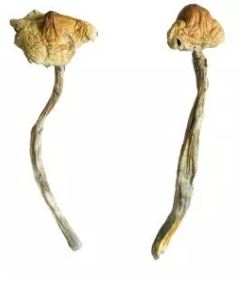
Huautla Mushroom Explained: Biology, Cultural Significance, and Public-Health Education
What Is the Huautla Mushroom?
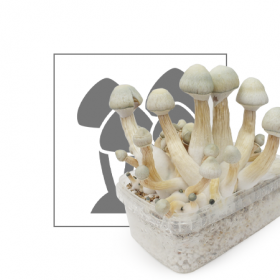
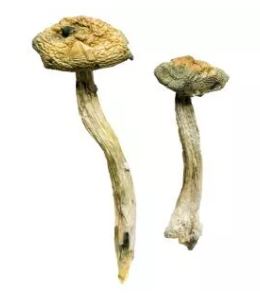
The Huautla Mushroom refers to certain Psilocybe species historically linked to the Huautla region in Oaxaca, Mexico. These mushrooms are known for containing naturally occurring compounds, psilocybin and psilocin, which have been studied in neuroscience, ethnobotany, and psychology.
The name “Huautla Mushroom” is informal and cultural, not a scientific classification. This article provides a neutral, educational overview, focusing on fungal biology, chemical properties, historical and cultural context, research interest, and public-health considerations. It does not promote use, possession, or distribution.
Psilocybe Species: Biological Overview
Mushrooms associated with Huautla belong to the genus Psilocybe, within the fungal kingdom. These fungi are saprotrophic, decomposing organic matter and contributing to nutrient recycling in their ecosystems.
Scientific study of Psilocybe species focuses on:
-
Growth patterns and ecological roles
-
Morphology and taxonomy
-
Chemical composition
Informal or cultural names like Huautla Mushroom do not indicate separate species, potency, or safety.
Chemical Compounds and Brain Interaction (High-Level)
Like other Psilocybe species, Huautla Mushrooms contain psilocybin, which converts in the body to psilocin. Psilocin interacts primarily with serotonin receptors, influencing mood, cognition, and perception.
Researchers note that responses vary widely among individuals due to:
-
Personal neurochemistry
-
Environmental and contextual factors
-
Mental-health history
Controlled scientific studies provide the most reliable insights. Anecdotal experiences should not be interpreted as evidence of safety or predictable effects.
Historical and Cultural Significance
Huautla Mushrooms hold important historical and cultural significance. Indigenous communities in Oaxaca have used psilocybin-containing mushrooms for spiritual, ceremonial, and ritualistic purposes for centuries.
Educational discussions emphasize that:
-
Cultural references do not equate to standardized potency
-
Historical use is context-specific and ceremonial
-
Modern recreational interpretation is not scientifically equivalent
Understanding the cultural context adds depth to scientific and public-health education without promoting use.
Scientific and Research Interest
Psilocybin and Psilocybe species are studied in neuroscience, psychology, and psychiatry under strictly regulated conditions. Research areas include:
-
Emotional processing and well-being
-
Brain connectivity and neuroplasticity
-
Cognitive and perceptual studies
All research adheres to ethical oversight, professional supervision, and informed consent. Findings from controlled studies are not endorsements of informal or recreational use.
Public-Health and Safety Awareness
From a public-health perspective, Huautla Mushrooms are discussed in terms of education, harm reduction, and risk awareness, not use. Key points include:
-
Individual psychological responses can be unpredictable
-
Mental-health history is a critical factor
-
Cultural or informal names do not indicate safety or standardized effects
Evidence-based educational resources help reduce misinformation and encourage critical thinking.
Legal Status and Regulatory Considerations
In many countries, psilocybin is classified as a controlled or prohibited substance, regardless of informal or cultural names. Legal regulations typically focus on the active compounds rather than colloquial strain designations.
Because regulations vary by jurisdiction and can change over time, it is important to consult official government or regulatory sources. This article does not provide legal advice.
Importance of Accurate Terminology
Using precise, science-based language is essential for responsible education. Terms like Huautla Mushroom should be treated as cultural or anecdotal references, not scientific identifiers. Accurate terminology ensures clarity regarding:
-
Biological classification
-
Public-health guidance
-
Legal context
Evidence-based education supports informed discussion and critical thinking.
Frequently Asked Questions (FAQ)
Is Huautla Mushroom a separate species?
No. It is an informal name associated with certain Psilocybe species.
Does the name indicate potency or effects?
No. Informal names do not reliably indicate chemical composition or predictability.
Are psilocybin mushrooms medically approved?
Psilocybin is not approved for general medical use.
Is this article encouraging use?
No. It is strictly educational and informational.
Educational Disclaimer
This article is provided for general educational and public-health awareness purposes only. It does not promote, sell, or encourage the use, possession, or distribution of psilocybin mushrooms or any controlled substances. Always follow local laws and consult qualified health or legal professionals for guidance.