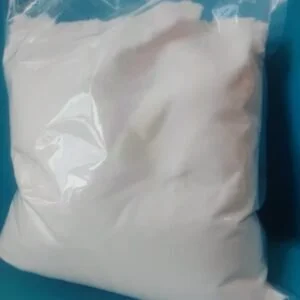
Ketamine powder is an academic term used to describe ketamine in a finely divided solid form, typically referenced in educational, analytical, and pharmaceutical science contexts. From an instructional standpoint, ketamine powder serves as a useful example for exploring topics such as chemical purity, solid-state properties, pharmaceutical processing, and regulatory oversight. This description is intended solely to support learning and informed discussion within appropriate professional and academic frameworks.
Ketamine is a synthetic compound first developed in the 1960s during research aimed at identifying safer anesthetic agents. Chemically, it belongs to the arylcyclohexylamine class and is recognized for its dissociative anesthetic properties. In educational materials, ketamine is frequently discussed for its pharmacological action as an antagonist of the N-methyl-D-aspartate (NMDA) receptor, a mechanism that has broad implications for understanding pain perception, consciousness, and neural signaling.
In its solid state, ketamine can exist in crystalline forms that may be processed or described as a powder. In chemistry and pharmaceutical education, powders are defined not by chemical differences but by particle size and physical handling characteristics. Ketamine powder, in this sense, illustrates how mechanical processes such as grinding or controlled crystallization can alter the physical presentation of a compound without changing its molecular structure. This distinction is important for students learning the difference between chemical identity and physical form.
From a solid-state chemistry perspective, ketamine powder provides a case study in particle size, surface area, and material behavior. Finely divided powders have greater surface area compared to larger crystals, a concept frequently taught when discussing solubility, stability, and reactivity. While these principles apply broadly across chemistry, ketamine is often cited in educational examples because of its well-documented structure and relevance to pharmaceutical science.
In analytical chemistry, ketamine powder may be referenced when discussing laboratory identification and quality assessment. Techniques such as spectroscopy, chromatography, and melting point analysis are commonly used in academic settings to demonstrate how scientists confirm compound identity and assess purity. Powdered forms of compounds are particularly relevant in these discussions, as they allow for consistent sampling and controlled analysis in instructional laboratories, always under regulated and authorized conditions.
Ketamine powder is also discussed in pharmaceutical science courses as part of broader lessons on drug development and formulation. Raw active pharmaceutical ingredients, often initially handled as powders in manufacturing contexts, must undergo rigorous processing before they become approved medicinal products. Studying ketamine powder helps learners understand why unformulated substances are unsuitable for direct clinical use and must be transformed into standardized dosage forms through carefully controlled procedures.
In pharmacology and medical education, ketamine powder serves as a conceptual reference rather than a practical material. It is used to illustrate how the same compound can be present in multiple physical forms while maintaining the same biological mechanism of action. This reinforces core educational principles, such as the separation between pharmacodynamics (what a drug does in the body) and pharmaceutical formulation (how a drug is prepared and delivered).
An essential component of any educational discussion about ketamine powder is regulatory and ethical context. Ketamine is classified as a controlled substance in many countries due to its psychoactive effects and potential for misuse. Consequently, any form of ketamine—including powdered material—is subject to strict legal controls governing manufacture, storage, handling, and research use. In academic programs, these regulations are often emphasized to teach students about compliance, professional responsibility, and ethical conduct in chemical and medical sciences.
Ketamine powder is also relevant in discussions of quality control and standardization. Pharmaceutical education frequently highlights the importance of consistency in particle size, purity, and composition, as variability can affect downstream processing and research outcomes. Using ketamine as a case study allows instructors to demonstrate how regulatory standards are applied to ensure safety and reliability in pharmaceutical research and production.
Beyond chemistry and medicine, ketamine powder may be referenced in interdisciplinary courses examining public health, policy, and science communication. The way substances are described—such as using informal versus technical terminology—can influence public perception and understanding. Educators use such examples to stress the importance of precise language and contextual framing, particularly when dealing with compounds that have both legitimate medical value and societal risk.
In summary, ketamine powder represents a physical description of ketamine that is used for educational and analytical reference rather than practical application. It provides a useful framework for exploring solid-state chemistry, analytical techniques, pharmaceutical processing, and regulatory oversight. When discussed responsibly within academic and professional contexts, ketamine powder helps illustrate broader principles of drug science, ethics, and regulation. This description is intended to support education and informed discussion only and does not promote acquisition, handling, or use outside of legitimate, regulated, and professional environments.


Reviews
There are no reviews yet.