Microdose Ketamine Explained: Education, Science, and Public-Health Awareness
What Does “Microdose Ketamine” Mean?
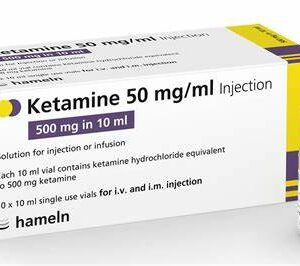
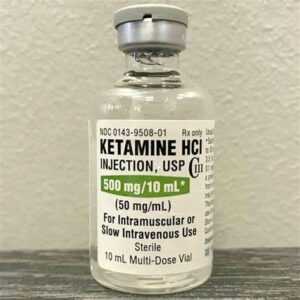
The term microdose ketamine is used in public and academic discussions to describe exposure to very small, sub-perceptual amounts of ketamine—levels intended to be below those that cause noticeable dissociation or intoxication. In education and research contexts, this idea is discussed theoretically and clinically, not as a do-it-yourself practice.
This article offers a high-level educational overview of the concept, the science behind ketamine, what researchers are studying, and the key health and legal considerations. It does not promote or explain use.
Understanding Ketamine in a Scientific Context
Ketamine is a synthetic compound originally developed as an anesthetic. In medical research, it is studied for its effects on:
-
Glutamate signaling (particularly NMDA receptor modulation)
-
Neural plasticity and synaptic connectivity
-
Mood regulation pathways
In tightly controlled clinical settings, ketamine has been researched for certain mental-health indications. These studies involve professional supervision, screening, and standardized protocols—conditions that are essential to safety and ethical practice.
Why Microdosing Is Discussed
Interest in microdosing arises from broader scientific questions about whether very low-level exposure to psychoactive compounds might influence:
-
Mood and emotional processing
-
Cognitive flexibility and attention
-
Stress response and neural adaptability
It is important to emphasize that microdose ketamine is not a standardized or universally accepted medical practice. Research is ongoing, and conclusions are limited by study design, sample size, and variability in individual response.
Current State of Research
1. Clinical and Neuroscience Research
Most ketamine research focuses on clinically supervised administration at carefully defined levels. Researchers examine:
-
Short-term changes in mood and perception
-
Neural network activity and plasticity
-
Biomarkers related to stress and depression
These studies are conducted under ethical review boards with medical oversight.
2. Evidence Gaps and Uncertainty
There is limited long-term data on repeated exposure to very low amounts of ketamine. Open questions include:
-
Potential tolerance or sensitization
-
Cognitive or emotional effects over time
-
Individual variability and risk factors
Because of these unknowns, public-health guidance remains cautious.
Public-Health Considerations
From a public-health perspective, discussions of microdose ketamine raise several concerns:
-
Misunderstanding “micro” as “safe”
-
Risk of normalization without evidence
-
Potential for misuse or unsupervised exposure
-
Increased vulnerability among adolescents and young people
Public-health education stresses that any biologically active substance can carry risk, regardless of dose size, especially outside a clinical framework.
Safety and Risk Awareness
Educational literature highlights potential risks associated with ketamine exposure, even at low levels:
-
Changes in mood or perception
-
Cognitive or memory effects
-
Anxiety or dissociation in sensitive individuals
-
Unknown cumulative effects with repeated exposure
Professional settings mitigate these risks through screening, monitoring, and follow-up, which are not present in unsupervised contexts.
Legal and Regulatory Status
Ketamine is regulated in many countries:
-
Medical and research use requires authorization
-
Possession or use outside approved settings may be illegal
-
Legal status does not change based on dose size
Educational resources should always emphasize legal compliance and awareness of local regulations.
Cultural Context and Misinformation
Interest in microdose ketamine reflects wider cultural trends:
-
Increased focus on mental-health innovation
-
Online discussions that blur lines between research and anecdote
-
Misinformation spreading faster than peer-reviewed evidence
This makes accurate, cautious education essential—helping people distinguish between clinical research, emerging hypotheses, and unsupported claims.