Mushroom Chocolate Bars Explained: Education, Safety, and Public-Health Context
What Are Mushroom Chocolate Bars?
Mushroom chocolate bars are chocolate products that incorporate mushroom-derived ingredients. The term is often used online in very broad and sometimes misleading ways, so educational clarity is important. In general discussions, it can refer to two distinct categories:
-
Non-psychoactive, edible or functional mushrooms used for flavor or nutrition
-
Psychoactive mushroom references, which raise legal, health, and safety concerns
This article explains the topic from a food science, cultural, and public-health education perspective, without encouraging use or distribution.
Non-Psychoactive Mushroom Chocolate Bars (Food & Nutrition Context)
In culinary and food science discussions, mushrooms used in chocolate products are typically non-psychoactive and chosen for their:
-
Earthy or umami flavor notes
-
Texture or mouthfeel contributions
-
Nutritional components such as fiber or micronutrients
Chocolate acts as a familiar base that can balance strong flavors. Educators often use these products as examples when teaching about ingredient pairing, flavor masking, and consumer acceptance in food development.
High-Level Nutritional Discussion
From an educational standpoint:
-
Chocolate contributes fats, sugars, and cocoa compounds
-
Edible mushrooms may contribute fiber, minerals, or B-vitamins
Importantly, these discussions are descriptive, not medical, and do not imply health treatment or enhancement.
Why the Term Causes Confusion
The phrase “mushroom chocolate bar” can be confusing because:
-
The word mushroom covers thousands of species
-
Chocolate bars resemble everyday snacks
-
Online marketing and slang often lack scientific precision
Public-health educators emphasize that food-like appearance does not equal food-like safety.
Psychoactive Mushroom References: Public-Health Perspective
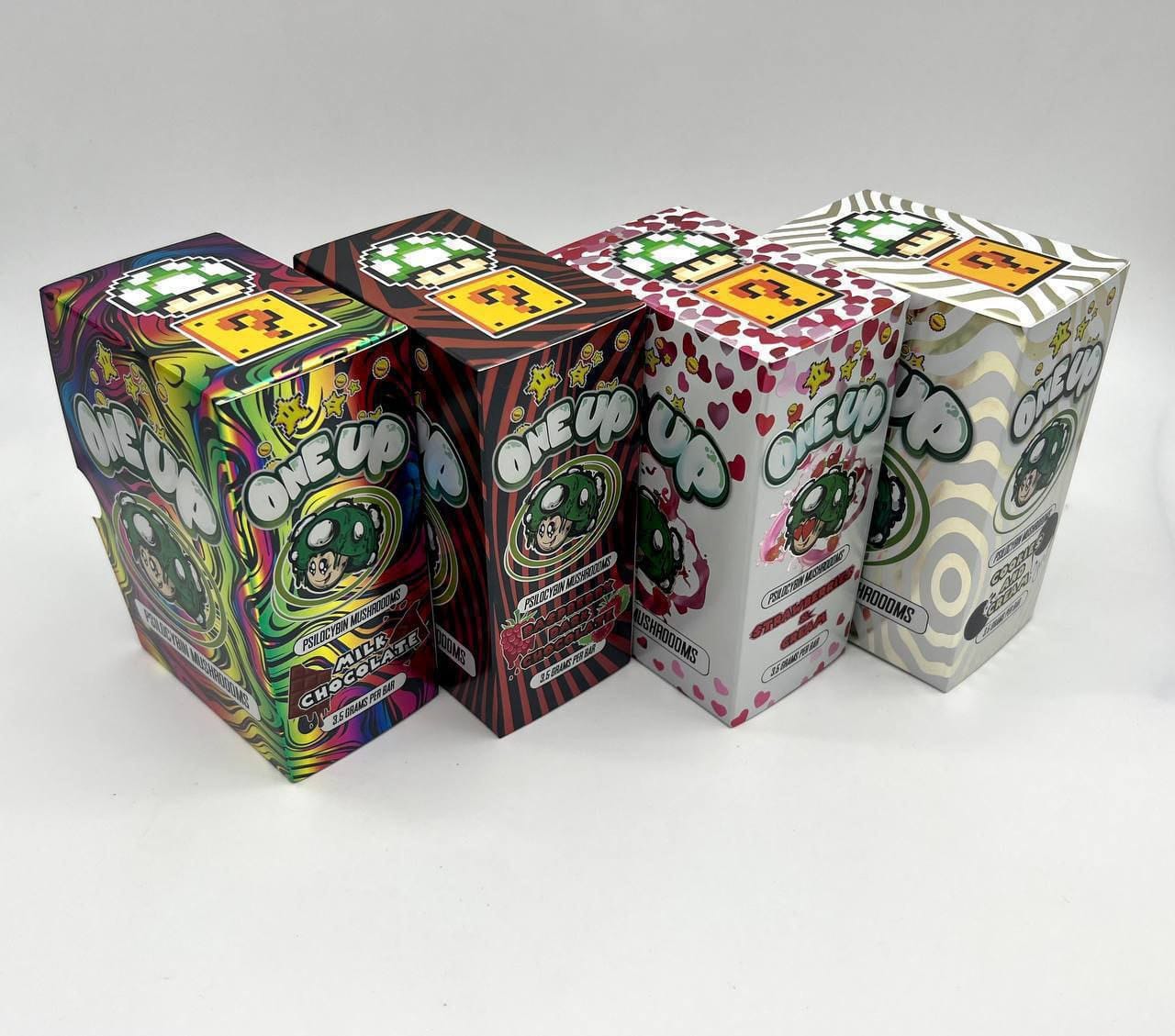
Some mushrooms contain compounds that affect perception, mood, or cognition. When these are discussed in chocolate bar form, public-health concerns increase because:
-
Chocolate masks taste and appearance
-
Products resemble ordinary candy
-
Risk of accidental ingestion rises
Educational materials stress that format does not change legal or biological effects. A compound remains the same whether it appears in a bar, beverage, or capsule.
Safety and Risk Awareness
1. Species Identification
Only certain mushroom species are edible. Misidentification is a well-documented cause of serious poisoning worldwide.
2. Mislabeling and Consumer Confusion
Chocolate bars may:
-
Be mistaken for regular confectionery
-
Lack clear ingredient disclosure
-
Be shared unintentionally
This is especially concerning in households with children or adolescents.
3. Variable Effects
Even within the same species, mushroom composition can vary due to:
-
Growing conditions
-
Processing methods
-
Storage
This unpredictability is a major focus of public-health education.
Legal and Regulatory Considerations
Laws generally regulate:
-
Specific compounds or species, not product names
-
Possession and distribution, regardless of food form
-
Food labeling and safety standards
Chocolate does not make a substance legal, safer, or regulated as food. Educational resources consistently recommend checking official local regulations.
Cultural and Media Influence
Interest in mushroom chocolate bars reflects broader trends:
-
Curiosity about alternative foods
-
Social media experimentation
-
Blurring of food, supplements, and substances
This makes accurate, neutral education essential to counter misinformation.