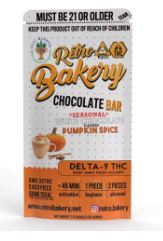
Pumpkin Spice White Chocolate: Culinary Overview, Nutrition & Public-Health Awareness
What Is Pumpkin Spice White Chocolate?
Pumpkin spice white chocolate refers to a type of chocolate product flavored with a blend commonly known as pumpkin spice, combined with white chocolate. Unlike dark or milk chocolate, white chocolate does not contain cocoa solids; instead, it is made from cocoa butter, sugar, and milk solids.
The term “pumpkin spice” typically describes a mix of warm spices associated with pumpkin-based desserts. These combined flavors have become popular in many seasonal and specialty food products.
This article provides a neutral, educational overview of what pumpkin spice white chocolate is, how it’s made, its nutritional considerations, and relevant public-health context. It does not promote specific products or recipes.
How Pumpkin Spice White Chocolate Is Made
White Chocolate Basics
White chocolate is made using:
-
Cocoa butter – the fat extracted from cacao beans
-
Sweeteners – such as sugar or alternative sweeteners
-
Milk solids – for creaminess and texture
-
Emulsifiers – like soy lecithin to help blend ingredients
-
Flavorings – often vanilla
Unlike other chocolates, white chocolate contains no cocoa solids, which means it lacks the characteristic deep color and some of the bioactive compounds found in dark chocolate.
Pumpkin Spice Flavoring
“Pumpkin spice” is not derived from pumpkin itself, but from a blend of spices traditionally used in pumpkin pie and similar desserts. Common components include:
-
Cinnamon
-
Nutmeg
-
Ginger
-
Cloves or allspice
These spices contribute warm, aromatic flavor notes when added to white chocolate formulations.
In production, the spice blend is mixed into white chocolate during manufacturing to ensure even flavor distribution.
Flavor and Culinary Uses
Pumpkin spice white chocolate is appreciated for its unique flavor profile:
-
Sweet and creamy (from the white chocolate base)
-
Warm and aromatic (from the spice blend)
It may be used in:
-
Confections and candy bars
-
Seasonal or holiday desserts
-
Baking (e.g., cookies, bark, or drizzle toppings)
-
Specialty chocolate assortments
Culinary professionals and food scientists study how different flavor compounds interact with cocoa butter and sugar matrices to achieve the desired sensory experience.
Nutritional Components (High-Level)
Like many flavored confections, pumpkin spice white chocolate contains multiple nutritional elements. Here’s a broad overview:
1. Macronutrients
-
Fats: Primarily from cocoa butter and milk
-
Sugars: Added sweeteners contribute to carbohydrate content
-
Protein: From milk solids
2. Micronutrients
White chocolate may provide small amounts of:
-
Calcium (from milk solids)
-
Trace vitamins and minerals, depending on formulation
The spice blend typically contributes aroma and flavor, not significant nutrients in large quantities.
What Research Says (Without Making Health Claims)
Scientific studies of chocolate and spices have focused on individual components and contexts, including:
-
Flavor chemistry: How spice compounds bind with fats and sugars
-
Consumer preference: Sensory research on taste and aroma combinations
-
Food matrix interactions: How ingredients affect texture and melting behavior