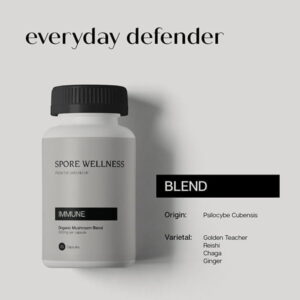
Spore Wellness Microdosing Capsules Explained: Wellness Trends, Research Context, and Public-Health Education
What Are “Spore Wellness Microdosing Capsules”?
Spore Wellness Microdosing Capsules is a product-style name commonly used in wellness conversations to describe capsules associated with the concept of microdosing. The term “microdosing” generally refers to the idea of using very small, sub-perceptual amounts of substances within wellness discussions. Importantly, this article does not promote or recommend any substance use. Instead, it provides a neutral, educational overview of the concept, the scientific context often referenced in discussions, and the public-health considerations involved.
Understanding the Concept of Microdosing (High-Level)
Microdosing is a term that appears in modern wellness media, self-optimization discussions, and academic curiosity. In educational contexts, it is discussed as a theoretical practice rather than a standardized medical or wellness method. There is no universally accepted definition, protocol, or regulatory framework for microdosing within mainstream healthcare.
Researchers emphasize that many claims surrounding microdosing are anecdotal, meaning they are based on personal reports rather than large-scale clinical evidence. This distinction is important for maintaining accurate expectations and avoiding misinformation.
Wellness Trends and Modern Interest
The rise of interest in microdosing is often linked to broader trends in mental wellness awareness, mindfulness, and personal development culture. Products like Spore Wellness Microdosing Capsules are frequently discussed alongside topics such as focus, creativity, emotional balance, and productivity.
From an educational standpoint, it is essential to separate:
-
Wellness marketing language
-
Scientific research findings
-
Public-health guidance
This separation helps readers critically evaluate information rather than accepting claims at face value.
Scientific and Research Context
Scientific research related to microdosing is still limited and evolving. Some academic studies explore how very small exposures to certain compounds might influence perception, cognition, or mood, but results are often inconclusive or mixed. Many studies highlight the difficulty of isolating effects due to placebo responses and individual variability.
Researchers stress that:
-
There is no consensus on benefits
-
Long-term effects are not well understood
-
Controlled research environments differ greatly from informal contexts
As a result, microdosing remains a topic of exploratory interest, not established medical practice.
Brain Chemistry and Individual Variability
Discussions about microdosing frequently reference brain chemistry, particularly neurotransmitters involved in mood and cognition. However, neuroscientists caution that even small biochemical changes can affect individuals differently.
Factors influencing outcomes include:
-
Personal neurochemistry
-
Mental-health history
-
Environment and expectations
-
Psychological context
This variability is one reason public-health education emphasizes caution, neutrality, and evidence-based understanding.
Public-Health and Safety Education
From a public-health perspective, education about microdosing focuses on risk awareness and informed decision-making, not endorsement. Health professionals highlight the importance of understanding:
-
The lack of standardized regulation
-
Potential psychological risks
-
The role of expectation and placebo effects
-
Legal and ethical considerations
Educational resources aim to reduce exaggerated claims and encourage readers to rely on credible scientific sources.
Legal and Regulatory Awareness
The legality of substances commonly discussed in microdosing conversations varies significantly across regions. Laws typically regulate specific compounds, not wellness terminology or branding. Product names such as Spore Wellness Microdosing Capsules do not determine legal status.
Because regulations differ by country and can change, individuals should consult official government or regulatory authorities for accurate legal information. This article does not provide legal advice.
Importance of Evidence-Based Wellness Information
In the wellness space, clear and accurate education is essential. Evidence-based information helps:
-
Prevent misinformation
-
Reduce stigma and fear
-
Support responsible public dialogue
Educational articles like this one aim to provide context rather than conclusions, allowing readers to understand where current knowledge stands and where uncertainties remain.Spore Wellness Microdosing Capsules
Frequently Asked Questions (FAQ)
Is microdosing a medically approved treatment?
No. Microdosing is not an approved medical therapy.
Are wellness capsules the same as medications?
No. Wellness products and concepts are distinct from regulated medical treatments.
Is research on microdosing conclusive?
No. Research is ongoing, limited, and not definitive.
Does this article promote use?
No. This content is purely educational and informational.Spore Wellness Microdosing Capsules
Educational Disclaimer
This article is provided for general educational and public-health awareness purposes only. It does not promote, sell, or encourage the use of any substances or products. Always follow local laws and consult qualified healthcare or legal professionals for guidance.Spore Wellness Microdosing Capsules